Malaysia is having a moment. Visa-free for Indians until December 2026, 230+ weekly direct flights, a ringgit that goes far in rupees — every travel blog is telling you to go. They're right. But they're also leaving out the parts that will catch you off guard. The MDAC form that gets people held at immigration. The alcohol that costs more than your hotel room. The taxi drivers who haven't used a meter since 2019. This is the guide they should have written.
Visa-free doesn't mean form-free. You must complete the Malaysia Digital Arrival Card (MDAC) online within 3 days before landing. It's free, takes 5 minutes, and is available at the official Malaysian Immigration portal. Skip it and you're facing delays or being pulled aside at immigration.
This catches people every day. Do it the night before you fly.
Do this: Search "Malaysia MDAC official" and complete the form. Official URL only — mdac.imi.gov.my — ignore any third-party sites charging a fee for this.
Malaysian taxis at airports haven't used meters reliably in years. Fixed-price counters exist but are overpriced. The answer is Grab — Malaysia's version of Ola/Uber. Download it before you land, add your Indian card, and use it for everything.
From KLIA to KL city: Grab costs RM 45-65 (₹900-1300). The KLIA Ekspres train is RM 55 and takes 28 minutes — for solo travelers, fastest option. For 3+ people with luggage, Grab wins on cost.
This is the opposite of true — and it's one of Malaysia's biggest underrated advantages for Indians. The country has a large Tamil Indian community, and South Indian vegetarian food is everywhere — banana leaf rice, idli, dosa, sambar — often better than what you'd find in many Indian cities.
Chinese vegetarian restaurants (marked with a yellow flag/banner) are plentiful. Malay hawker stalls usually have vegetable options. Your stomach will be fine.
Malaysia is a predominantly Muslim country. Alcohol is legal but heavily taxed. A beer in KL can cost RM 20-35 (₹400-700). A cocktail at a rooftop bar — RM 50-80 (₹1000-1600). You will spend more on two drinks than on your dinner.
If nightlife and cheap drinks are your priority, Thailand is your destination. If you want Langkawi — that's the exception. It's a duty-free island and alcohol is dramatically cheaper. Plan accordingly.
Langkawi exception: Duty-free island. Beer is cheap, the beaches are quiet, the sunsets are real. Worth adding 2 days to any Malaysia trip.
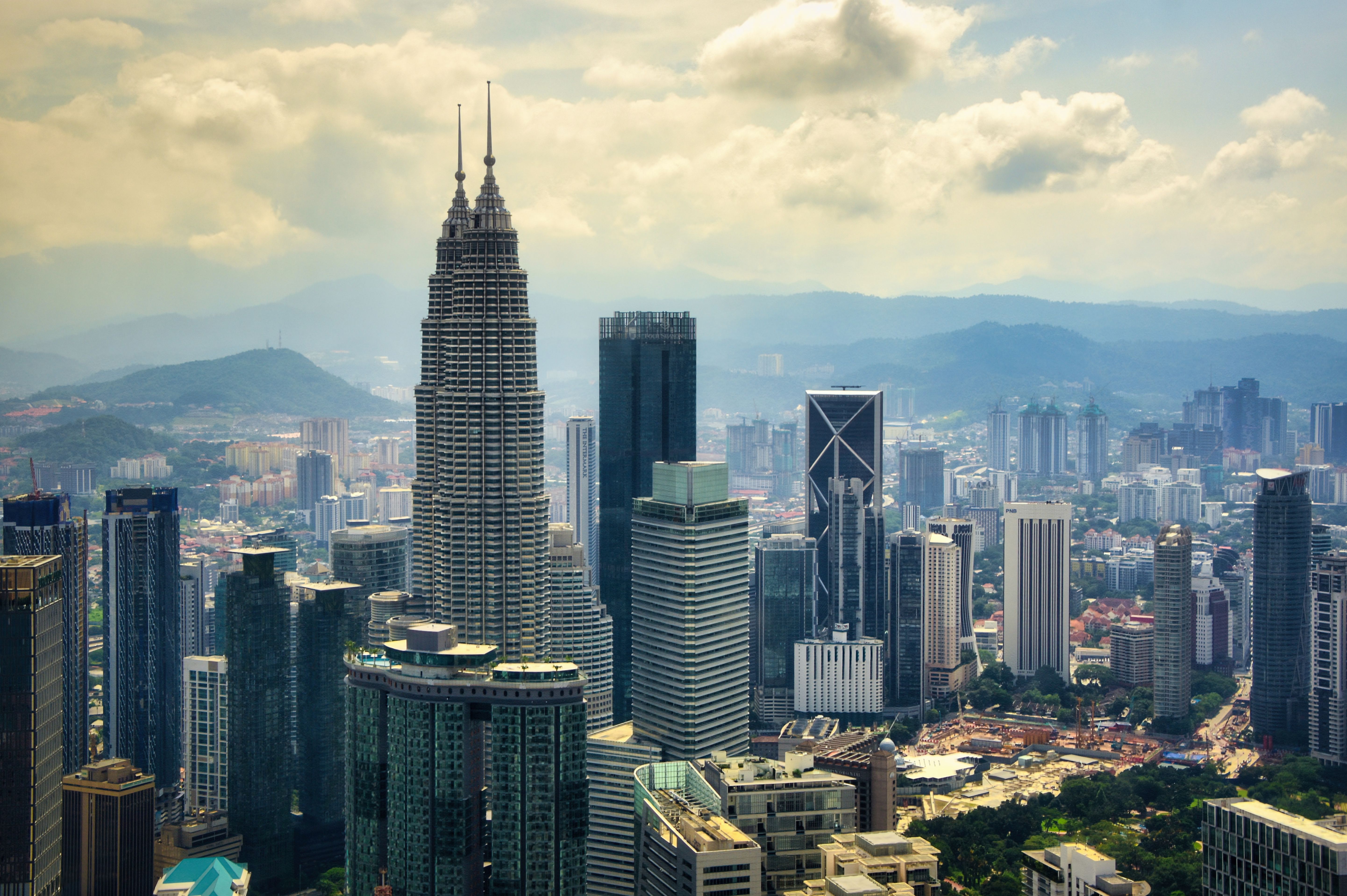
The observation deck costs RM 85 per person (₹1700). The free view from KLCC Park below the towers is honestly just as good for photos — and it's where you get the shot with both towers in frame. The deck view is from inside one tower looking across, which means you can't see both at once.
Save the RM 85. Walk around KLCC Park at golden hour instead. The reflection in the lake is the photo you've seen everywhere — and it costs nothing.
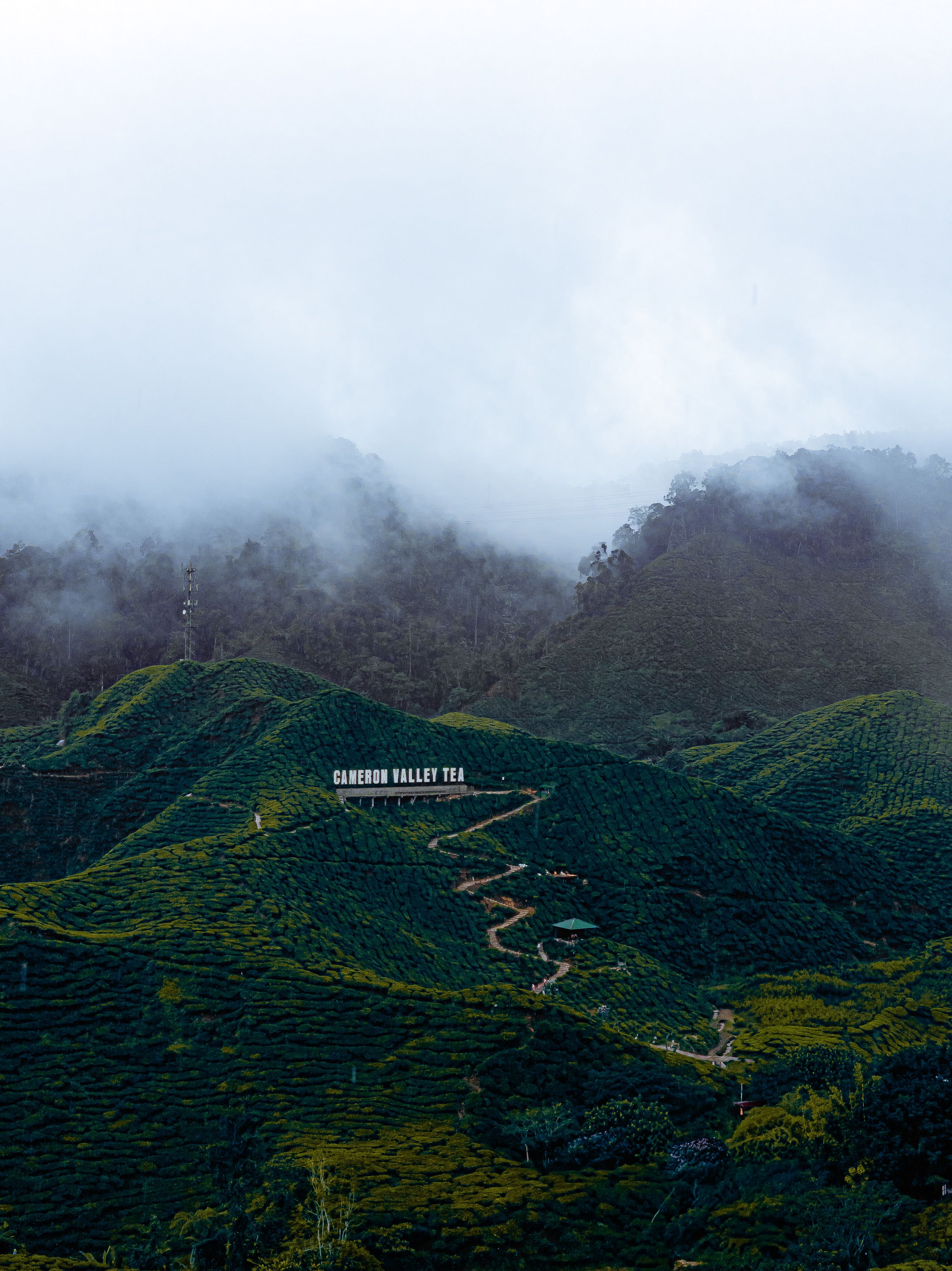
It's the obvious route because it's genuinely good. But what nobody mentions is Cameron Highlands — a hill station 2.5 hours from KL that feels like a completely different country. Tea plantations, strawberry farms, cool weather (18-25°C), colonial architecture, and almost no Indian tourists.
If you're traveling in peak Indian summer (April-June), Cameron Highlands is the most underrated addition to any Malaysia itinerary. The bus from KL costs RM 35-45 (₹700-900) and the tea there costs ₹80 a cup.
Malaysia runs on Touch 'n Go (TNG) eWallet — QR code payments at street stalls, temples, parking, toll booths, almost everywhere. You can load it with your Indian card in-app. Rapid KL trains take contactless Visa/Mastercard directly. Within 2 days you'll barely need cash.
Carry some ringgit for the occasional market stall or night market, but don't exchange large amounts at the airport — rates are poor. Money changers in KL city (especially Brickfields and Chow Kit) give significantly better rates.
Malaysia's population is roughly 55% Malay, 23% Chinese Malaysian, and 7% Indian Malaysian — plus dozens of indigenous groups. Calling all Malaysians "Malay" is inaccurate and can be offensive to Chinese and Indian Malaysians whose families have been there for generations.
The cultural diversity is one of Malaysia's best qualities — you'll find a Chinese temple, a Hindu temple, and a mosque on the same street. Batu Caves alone tells you how significant the Tamil Indian community is here. Go in, it's magnificent.
Airport SIMs are overpriced. Better option: buy a Hotlink or CelcomDigi eSIM before you travel — download it to your phone at home and activate it when you land. Coverage is excellent, costs RM 25-40 (₹500-800) for 10-15 days of solid data.
Your Indian number will work for Grab and WhatsApp on WiFi until the eSIM activates. Don't pay airport prices for a physical SIM.
Malaysia is genuinely safe by Southeast Asian standards — but petty theft exists, especially bag snatching in crowded areas of KL like Bukit Bintang and Chow Kit. Keep bags on your front, avoid displaying expensive cameras or jewelry on busy streets at night.
Also: exchange your rupees at city money changers (Brickfields, Chow Kit), not at the airport. Rates at the airport are 8-12% worse. Even a small exchange of ₹10,000 loses you ₹800-1200 unnecessarily.
For KL + Penang + Langkawi, 7 days works but is rushed. What nobody tells you is that Malaysian Borneo (Sabah and Sarawak) is an entirely different experience — rainforests, orangutans, the Kinabalu summit, diving at Sipadan. It's technically the same country but feels like another planet.
First trip: peninsula only. Second trip: go east. Most Indians never make it to Borneo. That's exactly why you should.
"Go. Go this year."
Visa-free until December 2026, direct flights from 6 Indian cities, a currency that goes far, food that won't confuse your stomach, and enough variety to fill three different trips. Malaysia is the easiest international trip an Indian passport can buy right now — just do the MDAC form first.
Ready to plan your Malaysia trip? Let AI build your itinerary in 30 seconds.
Plan My Malaysia Trip →